

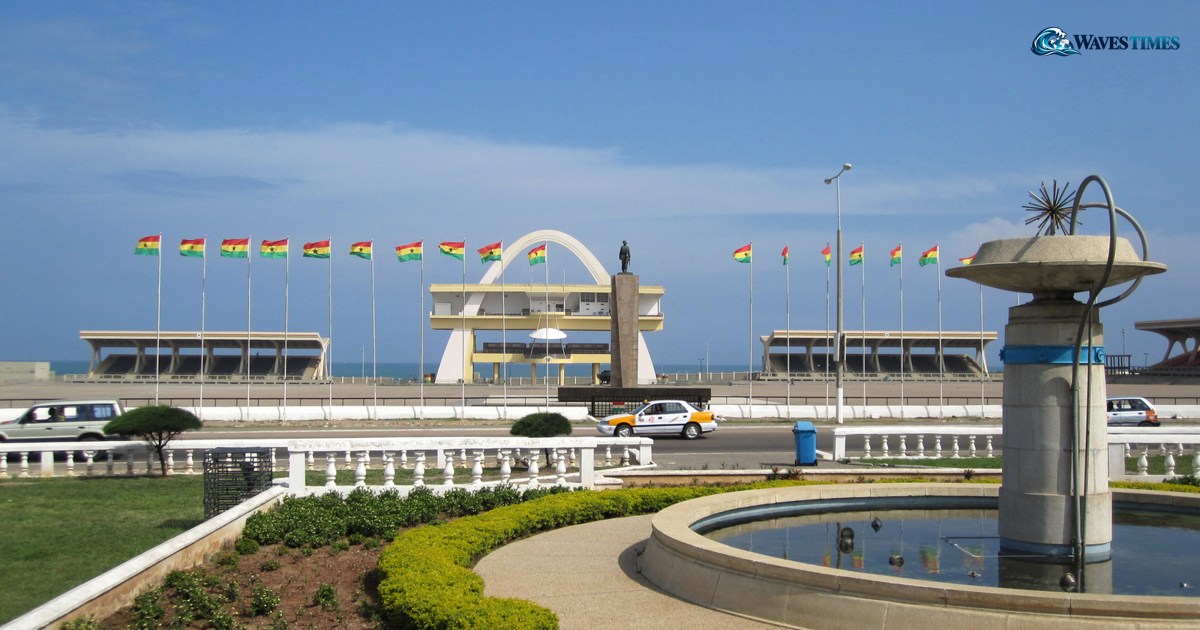


The Ghana 2027 budget outlines a $10 billion investment programme to boost production, exports and employment over four years. Finance Minister Cassiel Ato Forson presented the plan to Parliament on 12 November. The development was reported by Reuters.
The Ghana 2027 budget says the programme will run from 2027 to 2030 and will focus on areas including commercial agriculture, energy infrastructure, technology, textiles and garments, pharmaceuticals, tourism and mineral processing. See also Ghana News Agency.
In a separate report on the budget speech, the Ghana News Agency said the government projected 323.4 billion Ghanaian cedis in revenue and 389.2 billion cedis in spending for 2027. Forson said the government would introduce no new taxes that year.
One of the clearest policy goals is to process more of Ghana’s natural resources at home. The government says it wants to increase local value addition in critical minerals and reduce dependence on exporting raw materials. That approach could support manufacturing and exports, but it will require dependable power, infrastructure, private investment and clear implementation rules.
Officials say the programme will be financed through domestic fiscal measures rather than new borrowing. That will make the funding model important to watch: large public investment plans can support growth, but they must be managed carefully to avoid placing renewed pressure on debt, inflation or the currency.
For West Africa, Ghana’s strategy is relevant beyond its borders. Governments across the region are trying to turn commodities, agriculture and a young workforce into more resilient industrial economies while coping with high financing costs and public expectations for jobs.
The real test will begin in 2027, when budgets, procurement, project delivery and private-sector participation show whether the plan can move from a policy ambition into sustained employment and productive investment.
Parliamentary scrutiny, transparent reporting and independent evaluation will be essential so citizens can judge whether promised investments are producing measurable results.
File photo: Independence Square in Accra, Ghana. Rjruiziii / Wikimedia Commons, CC BY-SA 3.0. Cropped and Waves Times logo added.
- How Ghana plans to finance the $10 billion programme
- Eight priorities, from agriculture to technology
- What the budget means for businesses and households
Show More (1)Show Less
How Ghana plans to finance the $10 billion programme
According to the official 2027 budget speech, the government intends to fund the programme by reducing its primary surplus target by one percentage point of gross domestic product over the programme period and raising additional revenue through previously approved tax reforms and improved compliance. The latter measures are expected to generate the equivalent of 0.5% of GDP.
For 2027, the government has earmarked GH¢30 billion, equivalent to about 1.5% of GDP, for the New Economy programme. The four-year US$10 billion figure is a proposed investment envelope, not money already spent or a confirmed list of completed projects. The finance ministry says commitments will undergo appraisal and value-for-money checks.
Eight priorities, from agriculture to technology
The budget statement identifies eight pillars: macroeconomic stability and affordable finance; commercial agriculture; energy infrastructure; critical minerals value addition; tourism, culture and creative arts; textiles and garments; pharmaceuticals and biomanufacturing; and the technology economy.
Commercial agriculture is assigned a proposed US$3 billion, including work to expand rice, poultry, feed, aquaculture, oil palm, vegetables and cocoa processing. The government also plans major energy investments and aims to expand local processing of minerals. These sectoral targets depend on future project execution and should not be read as achieved outcomes.
What the budget means for businesses and households
For farmers and manufacturers, access to affordable credit, reliable electricity and transport links will be central to whether the policy improves productivity. For workers, the question is whether investment produces durable jobs and higher incomes rather than only construction activity or announced commitments.
Parliament’s scrutiny and the publication of implementation results will be important. The government’s own budget promises that projects will be appraised and spending reported transparently; tracking those commitments will provide a clearer measure of progress than the headline US$10 billion alone.
How the Ghana 2027 budget will be assessed
The Ghana 2027 budget sets out planned spending rather than a record of projects already completed. Its success will depend on the pace of implementation, financing arrangements and whether businesses and households experience measurable improvements in employment, production and services. The government’s published budget documents provide the starting point for tracking those outcomes.
Discover more from Waves Times
Subscribe to get the latest posts sent to your email.