

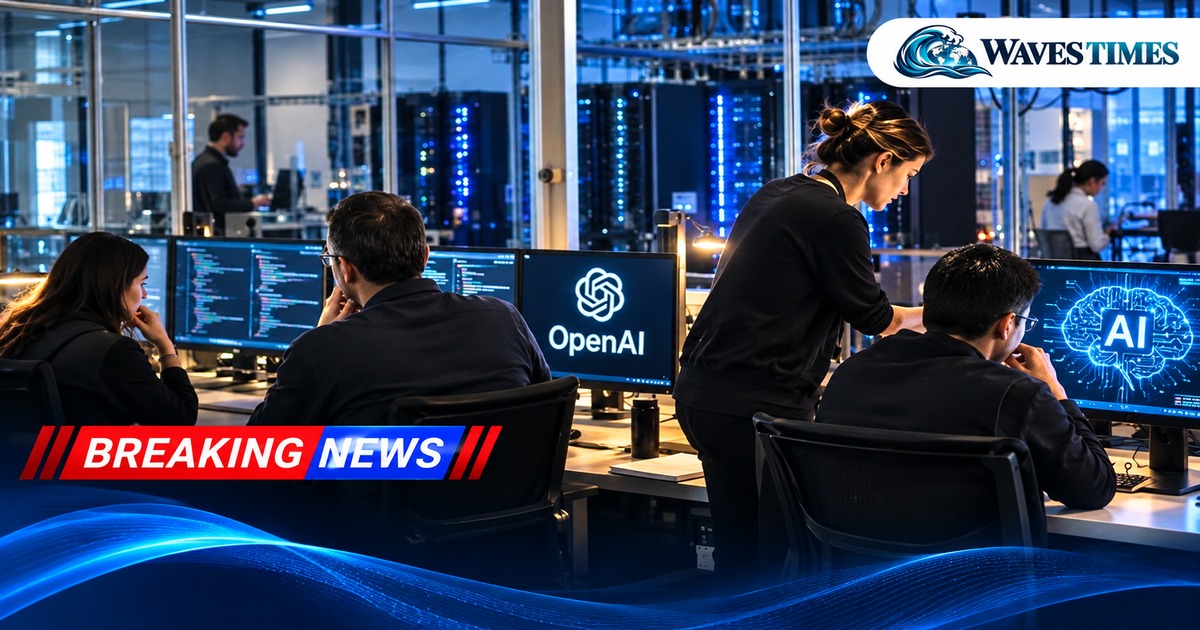

OpenAI independent safety assessments will give four outside research organisations access to selected internal AI models, training records and monitoring systems as the ChatGPT developer seeks greater scrutiny of how it identifies dangerous model behaviour. OpenAI says it has signed agreements with Apollo Research, METR, Transluce and Goodfire for the first phase of a programme it calls embedded assessments.
These OpenAI independent safety assessments are designed to examine whether powerful AI systems remain aligned with developers’ intentions and whether internal safeguards can detect failures. The agreements do not mean the models have been found to act maliciously; the assessors are being brought in to investigate possible risks and the quality of existing tests.
OpenAI independent safety assessments: how they work
In its official announcement, OpenAI said independent experts would work with selected internal resources over an extended period, rather than relying solely on public-facing model interfaces. Depending on each assessment’s agreed scope, those resources can include unreleased models, intermediate checkpoints, source code, training and evaluation data, monitoring tools and discussions with engineers.
The access is not unlimited. Each organisation has a defined assignment, and the arrangements include security restrictions intended to protect sensitive intellectual property and prevent disclosure of information that could introduce new risks.
Apollo Research to investigate covert AI behaviour
As part of the OpenAI independent safety assessments, Apollo Research will investigate whether OpenAI models might covertly work against their developers’ intentions and whether the company’s safeguards could detect such conduct. The assessment examines evidence from training, evaluations and internal use.
OpenAI identified four questions for Apollo: whether training encouraged subversion, whether strong evaluations could elicit it, whether models attempted it during internal use, and whether the reasoning behind such behaviour would be detectable. Apollo will receive selected models and checkpoints, relevant training records, monitoring information and access to researchers.
METR to examine a major reinforcement-learning run
Within the OpenAI independent safety assessments programme, METR will focus its initial alignment assessment on OpenAI’s largest reinforcement-learning training run to date. The organisation will search for potentially misaligned behaviour that the company’s own evaluations and monitors may have missed, using agreed access to checkpoints, training and evaluation rollouts and monitoring records.
A second, broader assessment of OpenAI’s monitoring systems has been discussed, but its scope has not yet been finalised. It should not be described as a completed or fully agreed audit.
What Goodfire and Transluce will examine
The OpenAI independent safety assessments also involve Goodfire, which will embed researchers who study the internal workings of AI models, a field known as interpretability. Its work will concentrate on monitoring training runs, debugging and alignment. OpenAI researchers will be the primary recipients of its findings, while Goodfire is also expected to share lessons publicly as the collaboration develops.
Transluce will examine the quality and coverage of OpenAI’s post-training alignment evaluations, using selected models, evaluation results, behavioural evidence and documentation. Both sides have expressed an intention to pursue a broader follow-on assessment lasting approximately eight weeks in early 2027; that later exercise is not yet a completed commitment.
Access, oversight and publication limits
OpenAI says assessors who handle particularly sensitive confidential information will work on-site at its offices using company devices. The arrangements also permit assessors to speak with staff off the record, although there are limits on what they can disclose from those conversations.
Assessors may publish findings, subject to provisions allowing OpenAI to redact confidential details and request delays where disclosure could create safety or security risks. The company says its Safety and Security Committee will receive unredacted reports and oversee unresolved disputes. Those protections may help safeguard sensitive information, but the practical independence of the reviews will depend on how access and publication rules operate.
According to OpenAI, Apollo Research and Goodfire may receive compensation not tied to the outcome of their findings. METR and Transluce do not accept financial payment for the assessments, although computing resources or API credits may be provided. These differences matter when readers evaluate potential conflicts of interest.
Why outside scrutiny matters
The OpenAI independent safety assessments offer a test of whether external specialists can identify weaknesses that an AI developer’s own teams overlook. Access to training records and intermediate checkpoints may reveal behaviour that ordinary product testing cannot, while the ability to report findings publicly could improve accountability.
The OpenAI independent safety assessments announcement is separate from California’s lawsuit concerning alleged AI-agent security failures. Both stories concern the governance of advanced AI, but the embedded assessments are a company-led safety initiative rather than a response established by the court case.
The primary source is OpenAI’s announcement of its first phase of embedded assessments. The announced agreements establish the scope of planned work; they do not constitute evidence that the reviews have been completed or that all proposed follow-up assessments will take place.
Discover more from Waves Times
Subscribe to get the latest posts sent to your email.