

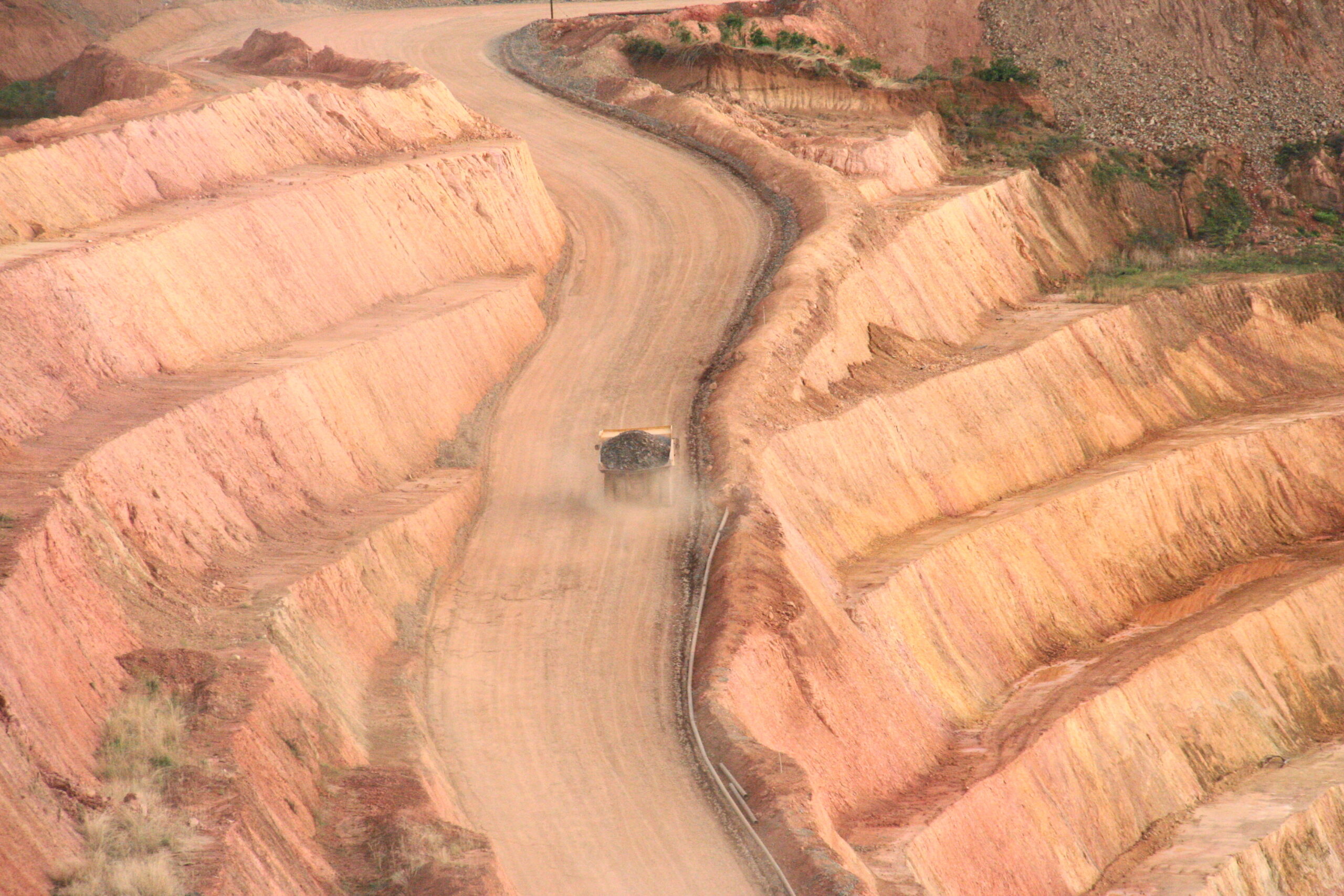

The Guinea gold mining crackdown was followed by deadly clashes in Balato, northeastern Guinea, where 10 people were killed and 13 injured, according to the government. The violence broke out on 11 November in the Siguiri area.
In a statement dated 12 November, the government said a joint patrol was checking compliance with a 2 November order against illegal and unregulated gold mining. It said protesters put up barricades, and the confrontation escalated into gunfire.
The injured included civilians and members of the security forces, the government said. Five of those killed were unidentified foreign nationals, the Associated Press reported. The authorities ordered an investigation into the circumstances of the clash.
- What happened in Balato?
- Why the Guinea gold mining crackdown is under way
- Regional consequences and unanswered questions
Show More (1)Show Less
What happened in Balato?
Guinea’s Ministry of Territorial Administration said the confrontation occurred in the Sètiguiyah area of Balato during a joint security patrol. According to its provisional account, protesters blocked public roads before shots were exchanged. The ministry did not identify who fired first, and its description of events has not been independently established.
The government said two pick-up trucks and a security forces lorry were burned, along with two ore-crushing machines. It also reported damage to other structures and said a military weapon and a motorcycle had been taken. The authorities called for the items to be returned and instructed judicial officials to establish responsibility for the violence.
Why the Guinea gold mining crackdown is under way
Authorities introduced restrictions on unauthorised artisanal gold mining on 2 November, citing damage to farmland, waterways and vegetation. Mining provides income for many households, however, and the enforcement campaign has affected people from neighbouring West African countries as well as Guinean workers.
The Associated Press reported that more than 1,200 suspected illegal miners had been arrested earlier in November and that court proceedings had begun. These arrests are separate from the investigation into the deaths in Balato.
Regional consequences and unanswered questions
The Guinea gold mining crackdown has also prompted miners and their families to cross into neighbouring Mali, according to regional authorities and international reporting. Their movement has raised concerns about humanitarian assistance and the impact of abrupt enforcement on communities dependent on mining income.
For now, the casualty figures remain provisional. Investigators have yet to establish a full account of the gunfire or determine individual responsibility. Any subsequent findings should be distinguished from the government’s initial version of events.
Why the Siguiri mining area matters
Artisanal gold mining supports livelihoods in Guinea’s northeast, including communities close to the Malian border. The government’s restrictions therefore affect not only extraction sites but also traders, transport workers and families who depend on income generated around mining settlements.
Authorities say the campaign is intended to address environmental harm and unregulated activity. That policy objective does not resolve the separate question of whether force used during the Balato confrontation was lawful or proportionate. The government’s investigation will need to account for the deaths, injuries and competing accounts of how the violence began.
The identities of several victims and the precise sequence of events have not been independently established. Waves Times will distinguish any later official findings from the initial government statement.
The incident also raises questions about how authorities communicate restrictions to mining communities and how disputes are handled before they escalate. An independent account of the confrontation would need testimony from residents, security personnel and medical workers, alongside any official inquiry findings. Until that evidence is available, responsibility for individual deaths should not be attributed without qualification.
The government’s official statement described the casualty figures as provisional and said five of those killed were foreign nationals whose identities had not yet been established. It also reported damage to security vehicles and mining equipment. These details are attributed to the authorities and should not be taken as an independent finding about who initiated the gunfire.
Discover more from Waves Times
Subscribe to get the latest posts sent to your email.