

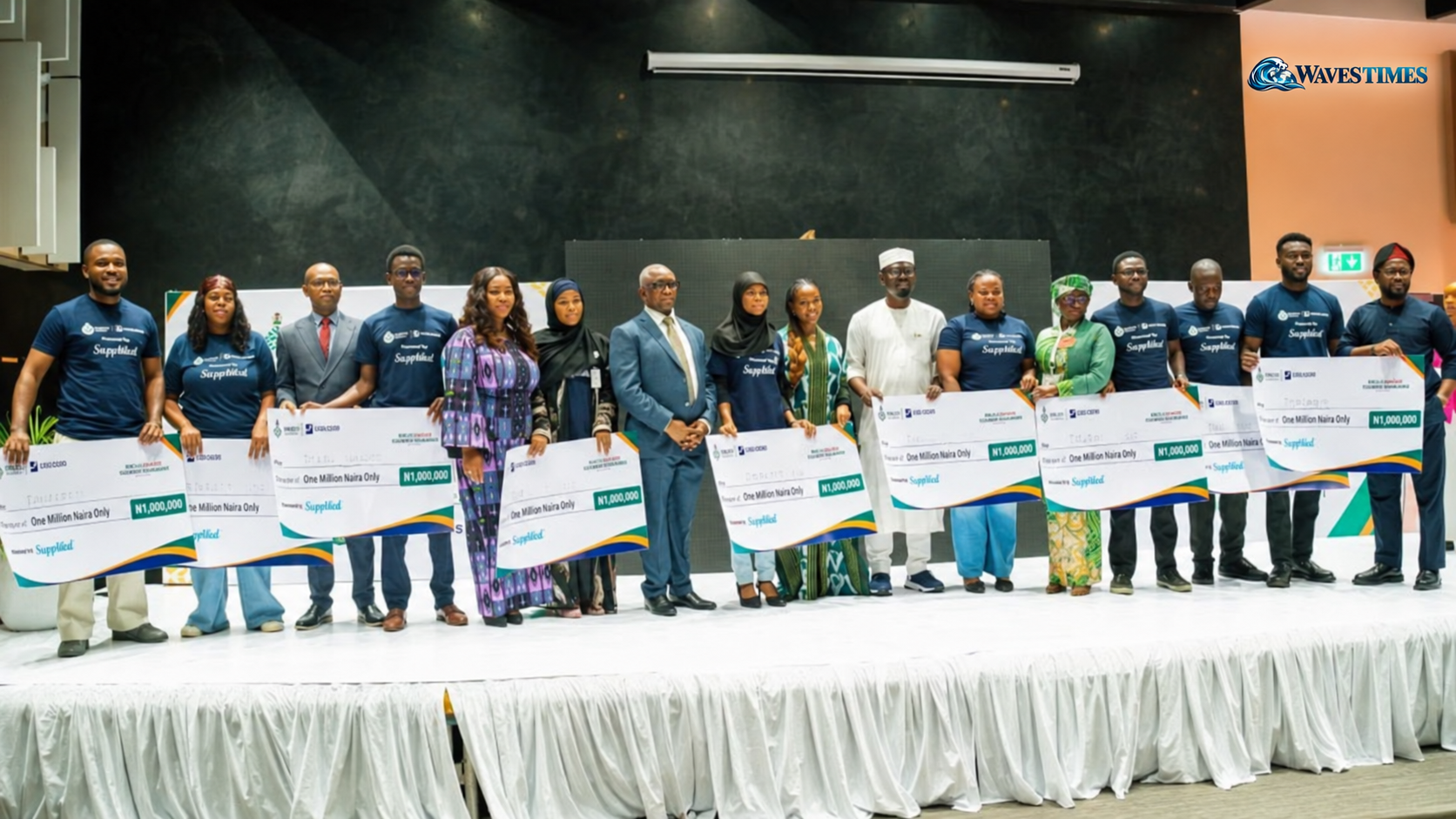

Nigerian founders from 13 states have received a combined ₦49 million in non-dilutive grants after completing a four-week enterprise programme run by the Nigerian Youth Academy (NiYA), Cascador and the Federal Ministry of Youth Development.
The funding was presented at the programme’s final pitch and grant-award ceremony at the Afreximbank African Trade Centre in Abuja. Seventeen youth-led businesses emerged from an application pool of more than 19,000, underlining both the scale of entrepreneurial ambition in Nigeria and the difficulty many early-stage businesses face in finding capital.
Show More (1)Show Less
How the ₦49 million was shared
Eight founders received ₦5 million each, while nine others were awarded ₦1 million each. The grants are non-dilutive, meaning the entrepreneurs do not have to surrender a share of ownership in their businesses in exchange for the money.
That matters for young Nigerian founders who may have promising ideas and early customers but lack collateral, long financial records or the formal structures often required by banks and conventional investors. The support is intended to help the selected businesses strengthen operations, pursue growth and prepare for future investment.
More than a grant competition
The award ceremony followed a four-week accelerator programme focused on business fundamentals, financial management, customer service, investment readiness and pitch preparation. Participants also received mentorship and technical sessions involving public institutions responsible for areas such as company registration, standards, digital regulation, data protection, exports and product approvals.
All 17 participants are also expected to receive access to an enterprise resource-planning tool, giving them a way to organise sales, records and other parts of day-to-day business management. For small businesses, those systems can be as important as funding: weak record-keeping and informal operations often make it harder to win customers, meet regulatory requirements or raise more capital later.
Businesses tackling everyday problems
The selected businesses operate across food processing, recycling, clean energy, agricultural technology, digital education and related sectors. Their work includes efforts to reduce post-harvest losses, improve food access, manage waste, support cold-chain logistics and build practical digital services.
The founders were selected from across Nigeria’s six geopolitical zones. That national spread is significant because access to accelerator programmes, mentors and early-stage financing is often concentrated in Lagos, Abuja and a small number of established technology hubs.
Why it matters
Nigeria’s young population is frequently described as a source of economic potential, but many people trying to build businesses still struggle to move from training to real enterprise. This programme tries to address that gap by connecting skills development with grant funding, practical tools and exposure to institutions that affect how businesses operate.
The ₦49 million will not solve the wider financing challenge facing Nigerian startups and small businesses. But the programme offers a useful model: prepare founders first, give them capital without taking equity, and support them with systems that can make growth more sustainable. Its longer-term impact will depend on whether the recipients can translate the grants into stronger businesses, jobs and measurable solutions in their communities.
Sources: Nigerian Youth Academy; Federal Ministry of Youth Development; Cascador.
Discover more from Waves Times
Subscribe to get the latest posts sent to your email.