

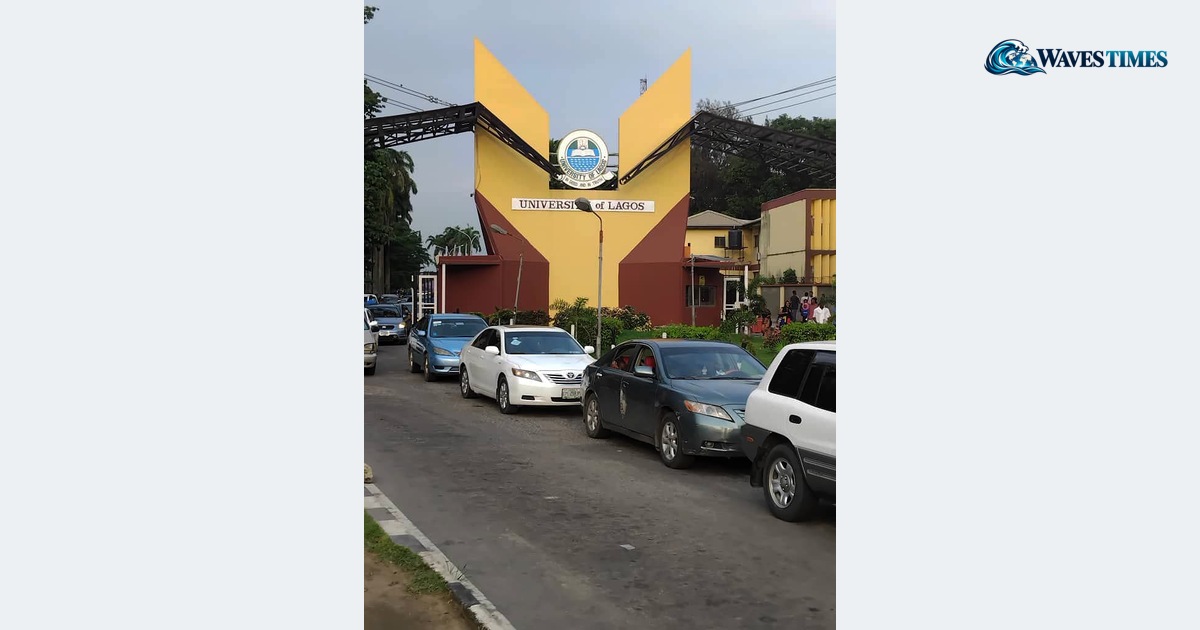


University CNG stations have been commissioned at four federal institutions as Nigeria expands a programme intended to reduce campus transport costs. The University of Lagos ceremony on Friday, 20 November, included remote commissioning at three other universities.
The UNILAG account identifies the other institutions as the University of Ibadan, Federal University of Technology, Akure, and Federal University Oye-Ekiti. The Lagos facilities include both a compressed natural gas daughter station and a vehicle conversion centre.
Infrastructure and vehicle promises
The work forms part of the Special Palliative Relief on University Transportation programme, known as Project SPROUT, involving the Presidential CNG Initiative, the Midstream and Downstream Gas Infrastructure Fund and FEMADEC Energy.
Education Minister Tunji Alausa announced that UNILAG would receive 10 CNG buses and 1,000 conversion kits for staff, according to the university. Those announced allocations should not be described as vehicles and kits already delivered.
Vice-Chancellor Folasade Ogunsola said 10 vehicle conversions would be provided free, with reduced-cost conversions for other interested members of the university community. Local eligibility, access and implementation arrangements remain matters for the university and operators.
Eleven campuses in the current rollout
TheCable reported FEMADEC chief executive Fola Akinnola as saying the latest commissioning brought the campus programme to 11 institutions, towards a target of 20 by the end of the year. That campus total is different from wider figures for CNG stations supported nationally or in Lagos.
Officials said nine further campus facilities, many in northern Nigeria, were expected within weeks. They remain planned additions until their completion and commissioning are confirmed.
Refuelling capacity is one requirement for operating CNG transport, but actual fares also depend on the vehicles available, routes, maintenance and operators’ pricing. The ceremony does not establish that every student’s journey has become cheaper.
Students and staff should use their institution’s published arrangements for access and fares. Savings described by officials are programme expectations rather than a verified reduction across all four campuses.
Discover more from Waves Times
Subscribe to get the latest posts sent to your email.