



Nigeria’s $500 million AGROW loan carries a principal repayment schedule running from May 2031 to November 2050, according to a financing-agreement analysis published by Sunday Punch on 22 November. The borrowing supports an agricultural programme rather than a project scheduled to operate until 2050.
Punch reported that the agreement provides for 40 half-yearly principal payments, each equal to 2.5 per cent of the credit. On a fully drawn $500 million balance, that works out to $12.5 million per instalment, before interest and applicable charges.
Repayment period and project dates differ
The World Bank catalogue identifies the financing agreement for credit 8000-NG, disclosed on 29 October. The detailed repayment schedule remains attributed to Punch’s examination of that document.
The Bank’s project record lists a $500 million commitment and a closing date of 30 July 2032 for the Nigeria Sustainable Agricultural Value-Chains for Growth project, or AGROW. A project closing date and the final date for repaying its financing serve different purposes.
A commitment is also distinct from money already disbursed. Neither the loan’s face value nor its repayment calendar proves that the full sum has reached participating states, farmers or contractors.
What AGROW is intended to support
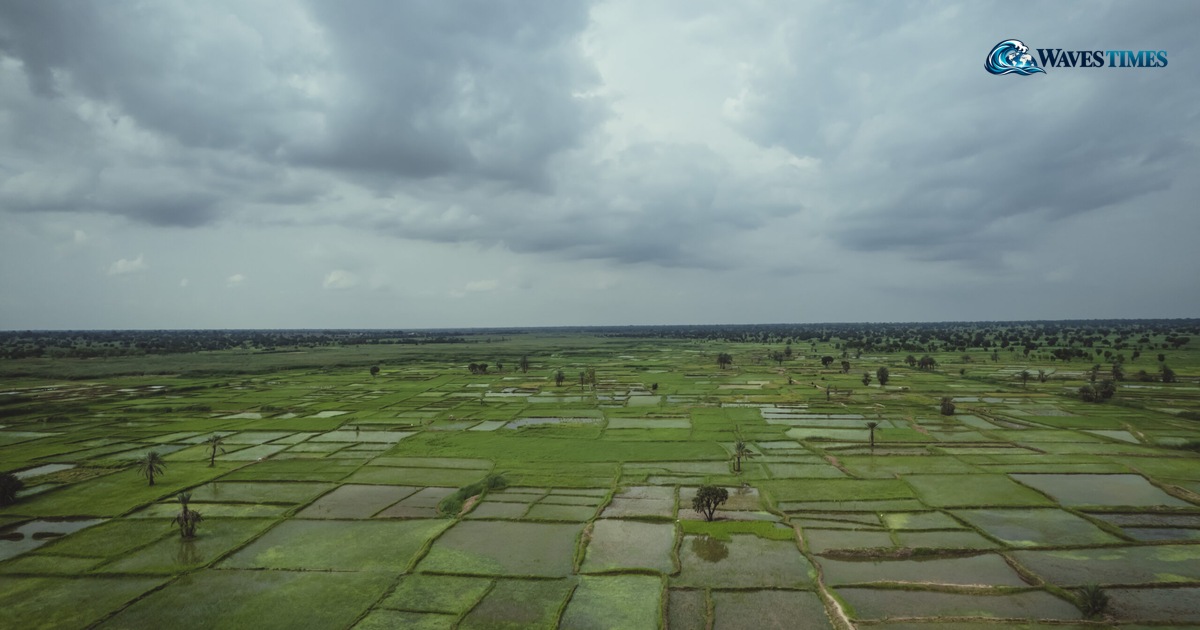
In its project announcement, the Bank said AGROW would support agribusinesses sourcing from smallholders, with matching grants for aggregation, handling produce after harvest, processing and access to markets.
Its priority crops include rice, maize, cassava and soybeans. Other planned work includes agricultural research, extension services, improved seeds and a digital farm and farmer registry.
The Bank projects benefits for up to one million smallholder farmers and additional private investment. These are programme targets rather than independently measured results.
For assessing the public cost, readers need to distinguish principal repayments, financing charges, actual drawings and project performance. Those measures answer different questions and should not be compressed into a claim that the entire loan has already been spent.
Discover more from Waves Times
Subscribe to get the latest posts sent to your email.