

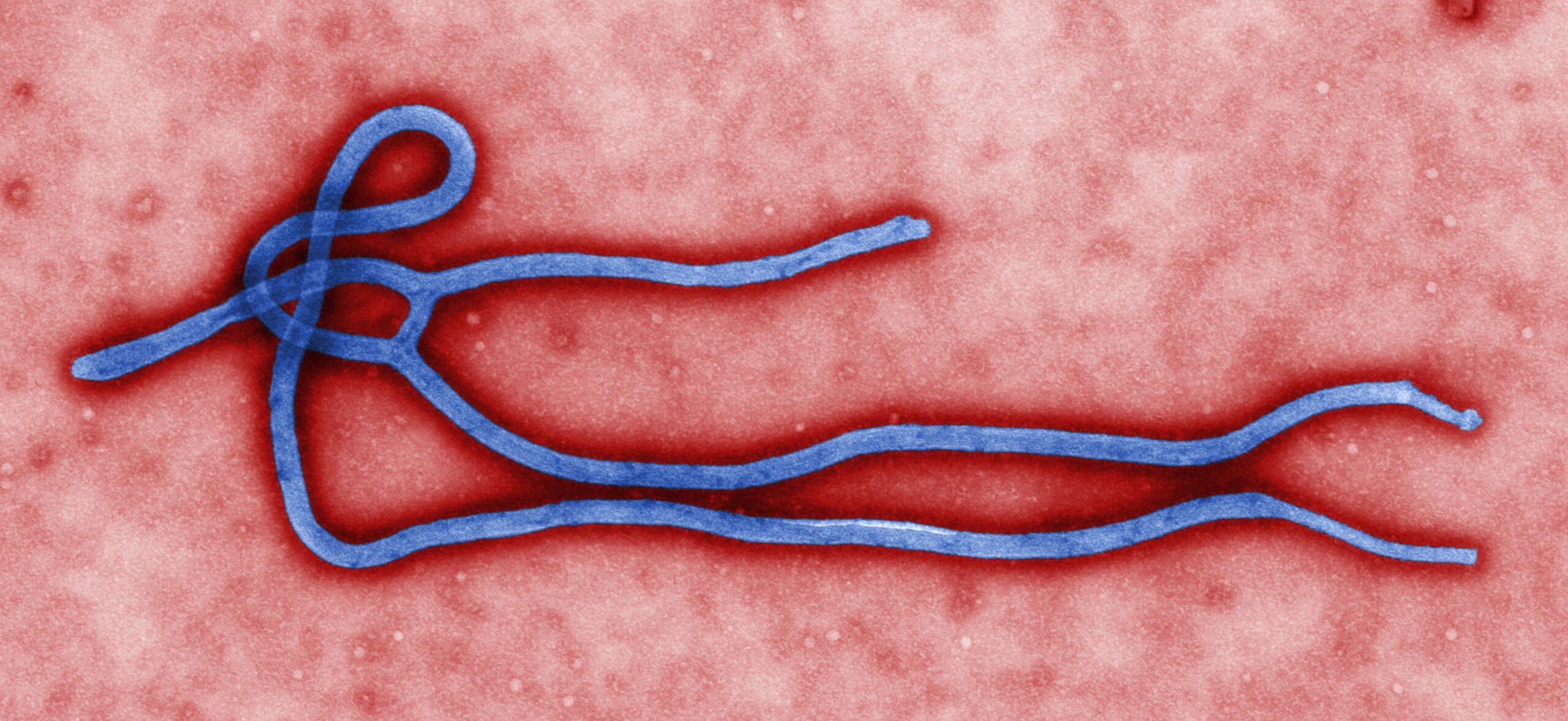

Nigeria Ebola contact monitoring: Nigeria recorded no secondary Ebola cases among the 62 contacts of an imported case after all completed follow-up, the Nigeria Centre for Disease Control and Prevention reported. Its situation report for 14 November listed one confirmed case, no deaths and no contacts still under follow-up.
The case was confirmed on 20 October. The patient was evacuated to Switzerland, where she recovered and was discharged from hospital on 11 November, as Waves Times previously reported. The new figures concern follow-up in Nigeria.
The World Health Organization’s 6 November update reported no new cases in Nigeria since its previous update on 23 October. NCDC’s latest figures confirm that the identified contacts have now completed monitoring.
- Nigeria Ebola contact monitoring: what the results show
- Why surveillance remains important
- NCDC reports 62 contacts cleared after 21 days
Show More (2)Show Less
Nigeria Ebola contact monitoring: what the results show
Contact monitoring is designed to identify people who may have been exposed to an infected patient and check whether they develop symptoms during the relevant observation period. Completing that process without detecting another case is an encouraging surveillance result. It does not mean that the risk of Ebola has disappeared everywhere or that future imported cases are impossible.
The distinction matters for interpreting the latest figures. The reported absence of secondary cases applies to the contacts identified and followed in this incident. It should not be read as a broader declaration that all potential exposure risks have ended. The agency’s outbreak updates remain the appropriate source for any subsequent change in case numbers or public-health advice.
Why surveillance remains important
Ebola can spread through direct contact with the blood or other bodily fluids of someone who is sick, making rapid identification, isolation and contact tracing central to outbreak response. Public-health agencies also work to communicate accurate information so that people can recognise symptoms and seek medical guidance promptly rather than relying on rumours.
NCDC reports 62 contacts cleared after 21 days
According to the NCDC’s outbreak dashboard, the situation on 14 November stood at one confirmed case, zero deaths and 62 identified contacts, all of whom had exited follow-up. The agency also recorded seven suspected cases that tested negative. These figures describe the specific outbreak under investigation rather than every possible Ebola exposure nationwide.
During monitoring, 13 contacts reported fever or other symptoms, but tests did not identify Ebola infection among them, according to the NCDC director-general’s briefing reported by Channels Television. The agency has emphasised that the successful follow-up is not the same as a formal declaration that the outbreak has ended.
Public-health response continues
The NCDC said its emergency response arrangements would remain active, including surveillance at international entry points and preparedness work with state authorities. People who believe they may have been exposed and develop symptoms are advised to contact health officials before travelling to a clinic. The NCDC lists its toll-free number as 6232.
What the reported zero secondary cases establishes
The completion of monitoring means the identified contacts finished the observation period without a confirmed secondary infection being detected. It does not establish that every future Ebola threat has been eliminated. Public-health agencies continue to rely on case reporting, laboratory testing and surveillance to detect any new suspected infection.
Contact monitoring is one part of an Ebola response. Health authorities also depend on prompt recognition of symptoms, safe clinical procedures, laboratory capacity and communication with communities. The absence of detected secondary cases among monitored contacts is encouraging, but continued surveillance is necessary to identify any unrelated future introductions of the virus.
The public-health significance of completing contact follow-up lies in the absence of detected onward transmission within the identified group. That finding should be reported alongside the limits of surveillance: it relates to the contacts and monitoring period described by the NCDC, not a permanent guarantee against further imported infections. Any new suspected case would still require investigation and laboratory confirmation.
Discover more from Waves Times
Subscribe to get the latest posts sent to your email.