

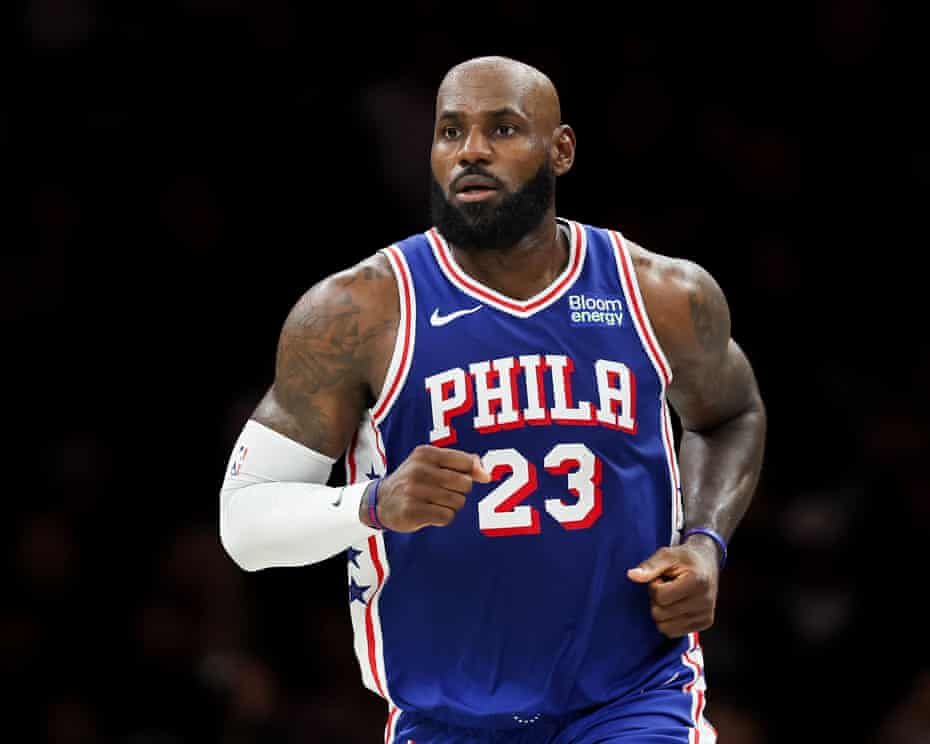

LeBron James Sues Sports Betting App Bron Over Use of His Nickname and Likeness
NBA superstar LeBron James has filed a lawsuit against the developers of a sports betting research application called Bron, accusing them of using his nickname, likeness and voice without permission in a promotional campaign.
The basketball star and his company, LBJ Trademarks LLC, filed the lawsuit on Tuesday, November 17, 2026, at the United States District Court for the Southern District of New York.
The lawsuit names PlayVision Inc., the company behind the application, alongside its co-founders, Anish Gupta and Marc Zoghby.
James alleges that the developers deliberately used his well-known nickname, “Bron”, and an artificial intelligence-generated character resembling him to promote their product and create the impression that he was associated with or endorsed the application.
He is asking the court to stop the company from using his identity and to award damages for the alleged unauthorised use.
AI-Generated Advertisement at the Centre of the Dispute
A major part of the lawsuit concerns a promotional video featuring an AI-generated basketball player who allegedly resembles James.
According to the complaint, the character was designed with several recognisable features associated with the NBA star, including his physical appearance, tattoos, voice and familiar No. 23 jersey.
The advertisement reportedly showed the character in a basketball locker room scrolling through betting-related information involving NBA players.
James argues that combining these features with the name Bron could mislead viewers into believing that he was personally involved with the company or had approved its product.
His legal team also raised concerns that the advertisement could create the false impression that the basketball star participates in betting activities involving NBA games, something prohibited under NBA rules.
James Demands Compensation and Removal of His Identity
The lawsuit accuses PlayVision and its co-founders of trademark infringement and the unauthorised use of James’ identity.
His legal team is seeking a court order preventing the defendants from using his nickname, name, likeness, voice and other identifying features in connection with their business.
The complaint also requests compensation, punitive damages where permitted, and the surrender of profits allegedly generated through the promotional campaign.
James’ lawyers argue that his identity carries significant commercial value and that companies should not be allowed to benefit from his reputation without obtaining the necessary permission.
The lawsuit further points to his existing endorsement relationship with prediction-market company Polymarket, arguing that the disputed advertisement could create confusion about his commercial partnerships.
Company Had Been Asked to Stop Using the Advertisement
The legal action follows a cease-and-desist letter reportedly sent by James’ lawyers to PlayVision on November 5, demanding that the company stop using his identity.
The company subsequently removed the disputed advertisement from its social media accounts. However, the lawsuit alleges that the video had already been widely circulated, receiving approximately one million views through its initial distribution and reposts.
PlayVision’s chief executive, Anish Gupta, reportedly indicated that the company intended to change the application’s name. However, James’ legal team argued that the application continued operating under the Bron name when the lawsuit was filed. The company had not publicly filed a response to the lawsuit at the time of reporting.
A Wider Debate Over Artificial Intelligence and Celebrity Rights
The lawsuit highlights growing concerns about the use of artificial intelligence to reproduce the identities of celebrities and public figures in commercial advertisements. As AI technology makes it easier to create realistic digital representations of individuals, questions about consent, intellectual property and commercial identity are becoming increasingly important.
James’ legal action could contribute to the ongoing debate over how existing trademark and publicity-rights laws should apply when companies use AI-generated characters that resemble real people. However, the allegations have not yet been established in court, and the defendants will have an opportunity to present their response.
For now, the case represents another high-profile legal dispute involving the commercial use of a celebrity’s identity and the growing influence of artificial intelligence in advertising.
Discover more from Waves Times
Subscribe to get the latest posts sent to your email.